Our Story — From Atom's End to Campie's Beginning
When GitHub sunsetted Atom in December 2022, the open-source coding community lost more than a text editor — it lost a home. Atom had inspired creativity, experimentation, and a sense of ownership that few IDEs ever offered.
This transition came after Microsoft's acquisition of GitHub in 2018, which marked a significant shift in the open-source landscape. While Microsoft brought resources and enterprise support to GitHub, it also led to strategic decisions that eventually resulted in Atom's sunset, as the company focused its efforts on Visual Studio Code. This move left many developers who valued Atom's hackable, community-driven approach searching for alternatives.
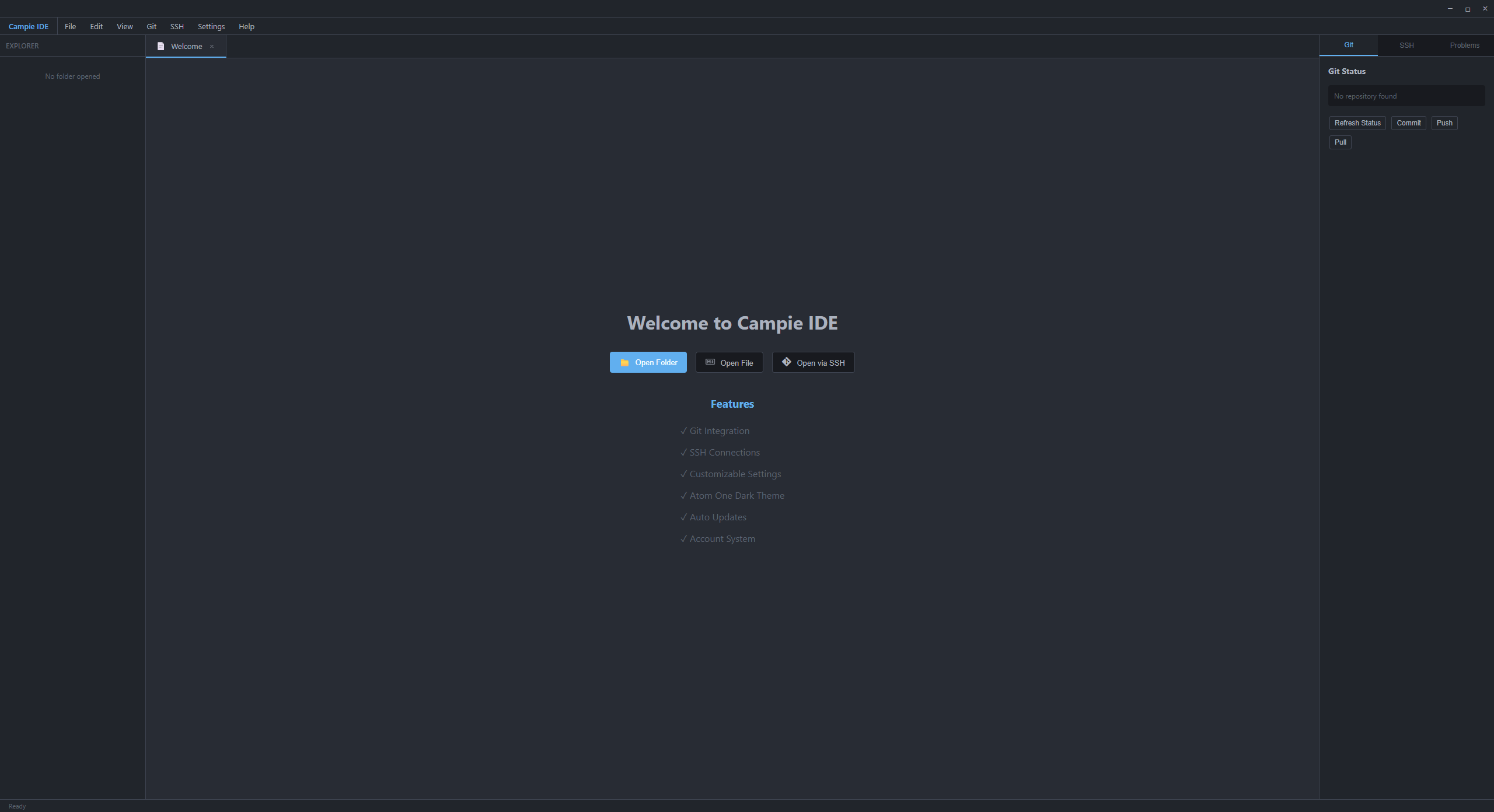
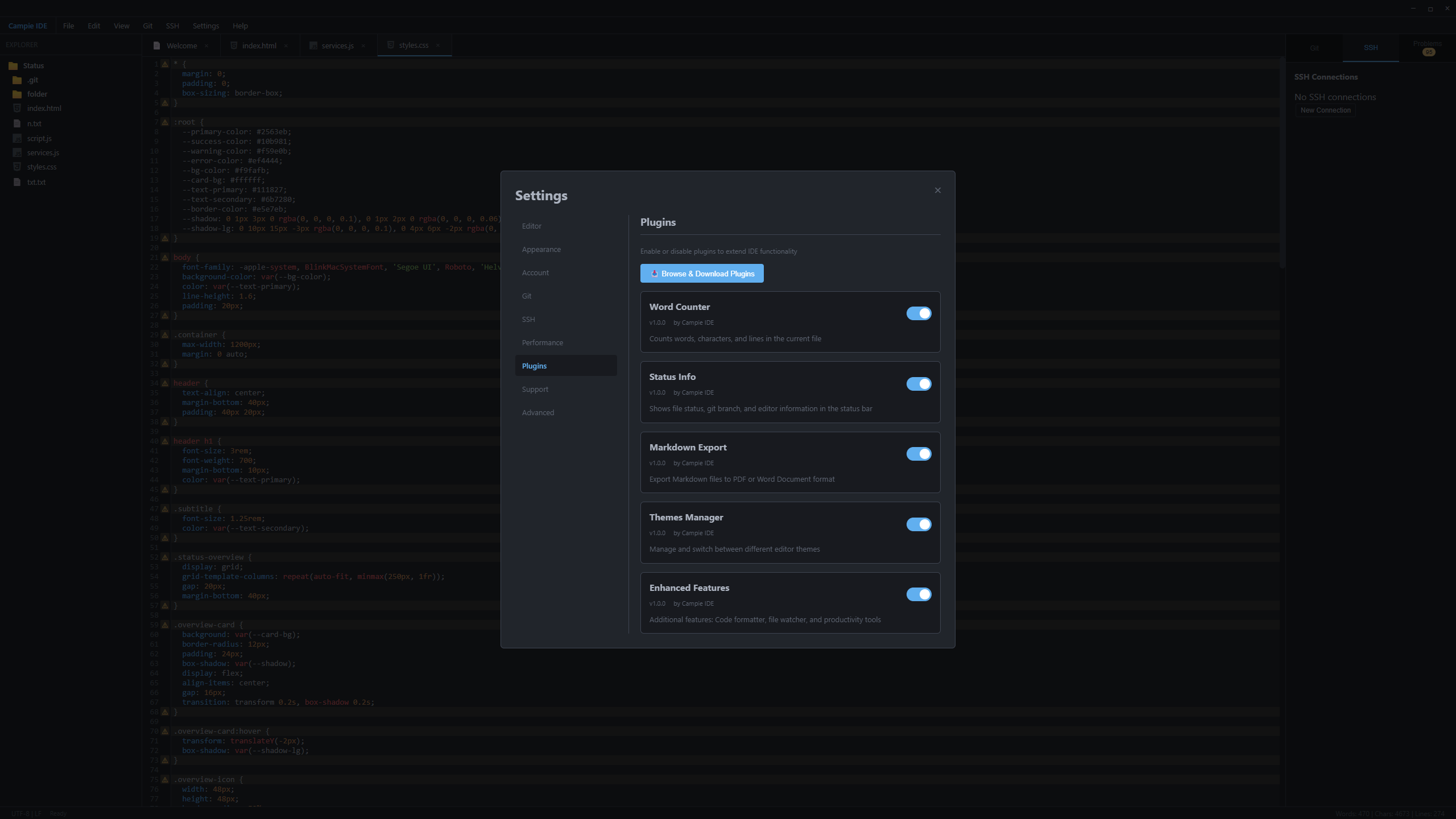
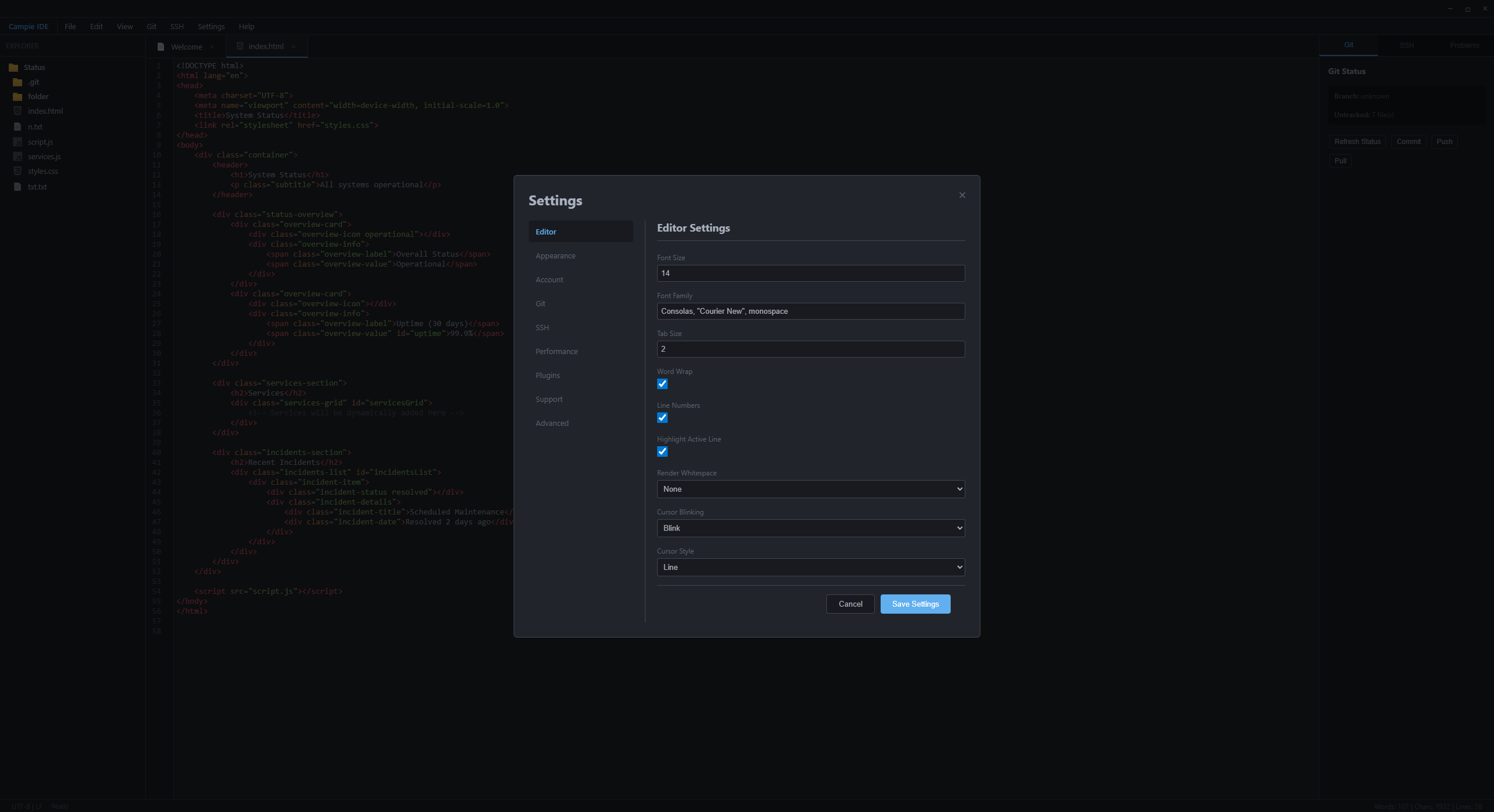
In early 2023, a small group of passionate developers decided to take action. They began building a new IDE from the ground up — one that would carry forward Atom's spirit of freedom and customization, while integrating modern performance, privacy-first principles, and comprehensive accessibility features. That project became Campie.
After years of iteration, testing, and community contributions, Campie is set to officially release on July 1st, 2026 — a new era for open, hackable software that's accessible to everyone.

2014 — Atom’s Rise
GitHub launches Atom: the hackable text editor for the 21st century, built for customization and creativity.
2018 — Microsoft Acquires GitHub
Microsoft purchases GitHub for $7.5 billion, bringing enterprise resources but also shifting priorities toward VS Code and cloud services.
2022 — The Sunset
GitHub announces the end of Atom to focus on VS Code, leaving a void in the open-source editing world.
2023 — Campie’s Conception
Developers begin building Campie as a spiritual successor — using web technologies, open APIs, and true modularity.
2024–2025 — Community Expansion
Contributors worldwide join the project, adding extensions, themes, and real-time collaboration tools.
July 1st, 2026 — The Campie Launch
Campie releases officially to the world, available on Steam and the App Store. Open-source creativity returns stronger than ever.